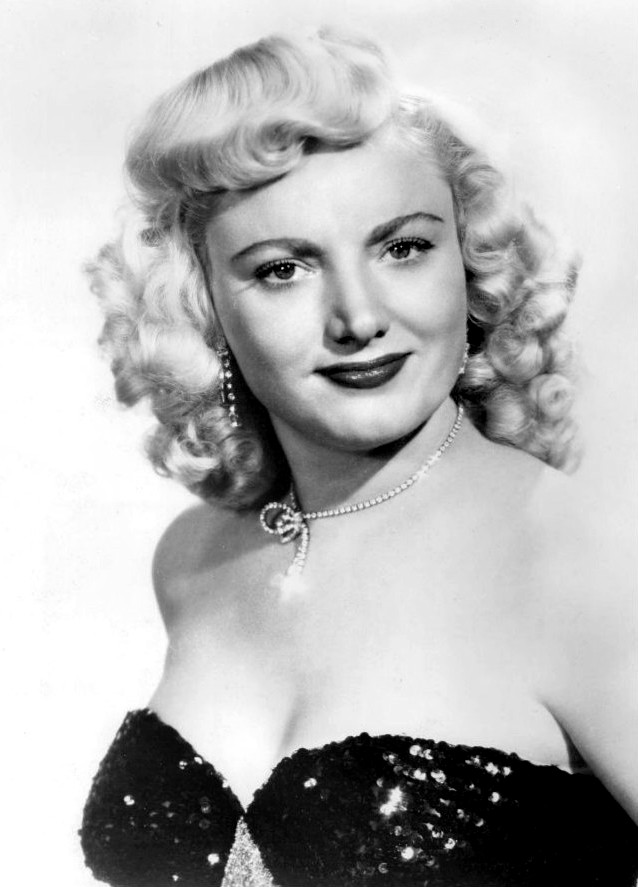
Beyond the Net Worth Search: Unraveling Dagmar's True Legacy and Financial Journey
In the digital age, it's common for curious minds to turn to search engines, often with queries like "
dagmar dolby net worth," seeking quick insights into a public figure's financial standing. However, when it comes to the iconic Dagmar of 1950s television fame, this search query often leads to a common misconception. The acclaimed television personality known as Dagmar was
not Dagmar Dolby. Instead, she was Virginia Ruth Egnar, a pioneering actress, model, and TV star whose meteoric rise in early broadcast media offers a far more compelling story than any simple net worth figure could encapsulate. Her journey from modest beginnings to becoming one of television's first major female stars, marked by a remarkable salary increase, highlights an era where fame and fortune were rapidly taking new forms.
This article delves into the fascinating life and career of the original Dagmar, exploring her true identity, her significant financial growth, and the unique legacy she left behind. It aims to clarify the distinction for those searching for "dagmar dolby net worth" and redirect focus to the genuine impact of a woman who, in her own words, preferred people to "wonder whatever happened to Dagmar than say, 'Look what's happened to Dagmar?'" For more background on her rise to fame, consider reading
Dagmar, The 1950s TV Icon: Not Dagmar Dolby's Net Worth.
Who Was Dagmar? The Woman Behind the Search Query
Born Virginia Ruth Egnar on November 29, 1921, in Yawkey, West Virginia, Dagmar's path to stardom was anything but conventional. She navigated several name changes throughout her early life and career, initially using her middle name, Ruth, during her school years at Old Huntington High. After a move to Bal Harbor, Florida, with her first husband, Dick Hinds, and later a divorce, she adopted the name Jenny while performing in the play *Burlesque* with Bert Lahr.
Her big break arrived in the burgeoning world of television. NBC, on the hunt for a statuesque blonde for a late-night variety show, found their answer in Jenny. It was here that she truly transformed into "Dagmar," cultivating a "dumb blonde" persona that captivated American audiences. Her act was so successful that she quickly became a household name, receiving an astonishing 2,000 fan letters a week. Her star power was undeniable, cementing her status as one of television's first major female stars. Life Magazine recognized her immense popularity, featuring her on its cover on July 16, 1951.
It is crucial to emphasize that this Dagmar, the sensational 1950s TV icon, is distinct from any "Dagmar Dolby" often searched in relation to net worth. While the latter refers to Dagmar Dolby, a well-known philanthropist and wife of Dolby Laboratories founder Ray Dolby, the former carved her own unique niche in entertainment history. Understanding this distinction is key to appreciating the true story of Virginia Ruth Egnar. To truly understand her impact, one must look beyond monetary figures to her cultural contributions. If you're curious about her full story, explore
Who Was Dagmar? Unraveling The 1950s TV Star's True Story.
From $75 to $1250: Dagmar's Remarkable Salary Ascent
One of the most telling indicators of Dagmar's rapid ascent in the entertainment industry was her salary. The reference context highlights a truly remarkable financial progression: from an initial modest earning of $75 to a peak of $1250. This wasn't merely a slight bump; it represented a sixteen-fold increase in her weekly earnings during the height of her popularity.
To put this in perspective for the 1950s, a weekly salary of $1250 was an extraordinary sum. In an era when the average annual household income was roughly $3,300 (or about $63 a week), Dagmar's weekly earnings far outstripped what most Americans earned in an entire month, or even several months. This rapid increase was a testament to her immense popularity, her unique appeal, and her ability to draw audiences to the new medium of television. For a female star in a nascent industry, such financial recognition was groundbreaking, signaling her undeniable value and influence.
This salary jump demonstrates the powerful leverage she held in negotiations and reflects the burgeoning financial potential of television entertainment. It wasn't just about personal wealth; it was about defining the market value of a star in a new era of media. While an exact "net worth" figure for Dagmar (Virginia Ruth Egnar) may be elusive or irrelevant compared to modern tracking, this salary progression offers a tangible measure of her professional success and economic impact during her peak.
Beyond the Paycheck: Dagmar's Enduring Legacy in Television
While Dagmar's salary rise was significant, her true legacy extends far beyond any financial figures. She was a trailblazer, fundamentally shaping the landscape of early television. Here are key aspects of her enduring impact:
*
Pioneering Female Comedic Star: Dagmar was one of the first women to achieve widespread comedic fame on television. Her "dumb blonde" persona, while a trope, was delivered with a wink and an underlying intelligence that endeared her to millions. She broke ground for future female comedians and performers on the small screen.
*
Cultural Phenomenon: Her ability to generate 2,000 fan letters a week speaks volumes about her connection with the audience. She transcended mere viewership to become a genuine cultural phenomenon, a topic of conversation in homes across America.
*
Iconic Image: With an "over-the-top image," Dagmar was instantly recognizable. She mastered the art of visual comedy and presentation, making her an unforgettable figure in a largely black-and-white television world.
*
Collaborations with Legends: Her career saw her performing alongside some of the biggest names in entertainment, including Mike Douglas and Frank Sinatra, and she even made an early TV debut on one of Bob Hope's shows. These collaborations underscore her status and respect within the industry.
*
Unique Perspective on Fame: Dagmar's famous quote, "I'd much rather have people wonder whatever happened to Dagmar than say, 'Look what's happened to Dagmar?'" offers profound insight into her character. It reveals a desire to maintain dignity and control over her narrative, opting for a graceful exit rather than a prolonged public struggle. This sentiment offers a valuable lesson in navigating celebrity and personal well-being.
*
A Lasting Impression, "Literally": As author Richard Lamparski documented, Dagmar's playful insistence on highlighting her "great legs" in interviews, which TV audiences rarely saw, adds a personal, humorous touch to her legacy. It illustrates her self-awareness and confident embrace of her physicality.
Dagmar, who passed away on October 9, 2001, left behind a unique body of work. Despite not having children, her influence on television and female representation in comedy continues to resonate.
Understanding Stardom: Why Legacy Outweighs Net Worth
For historical figures like Dagmar, focusing solely on a "net worth" figure can be misleading and often misses the point entirely. The concept of personal wealth and its public tracking was far different in the 1950s than it is today. Financial reporting was less transparent, and the entertainment industry's financial structures were evolving. Furthermore, a simple number cannot capture:
*
Cultural Impact: How do you quantify the joy, laughter, and sense of community Dagmar brought to millions of viewers? Her ability to unite audiences in front of a new medium is invaluable.
*
Pioneering Spirit: As one of television's first major stars, she helped define what a TV personality could be, setting precedents for future generations of entertainers.
*
Historical Context: Her career spanned a pivotal era of American history, reflecting societal changes and the rapid embrace of new technologies. Her story is intertwined with the story of television itself.
*
Influence on Gender Roles: As a strong, comedic woman in a prominent public role, she challenged traditional expectations and offered a different image of femininity.
Practical Tip for Researching Historical Figures: When delving into the lives of figures from past eras, particularly those who predated modern media and financial tracking, it's often more enlightening to focus on their professional achievements, cultural contributions, and the historical context of their lives. A celebrity's true "worth" is rarely found in a bank account balance but in the lasting impact they had on their field and society.
Conclusion
While the search query "
dagmar dolby net worth" might lead many down a path of financial speculation, the story of Dagmar (Virginia Ruth Egnar) offers a much richer and more meaningful exploration. Her journey from Virginia Ruth Egnar to a singular television icon, marked by an impressive salary rise from $75 to $1250 per week, is a testament to her talent, charisma, and undeniable appeal. More than just a financial success story, Dagmar’s legacy is etched into the annals of early television history as a pioneering female comedic star, a cultural phenomenon, and a woman who understood the fleeting nature of fame. Her impact extends far beyond monetary figures, reminding us that the true measure of a public figure often lies in their enduring influence, the joy they brought, and the trails they blazed for others.