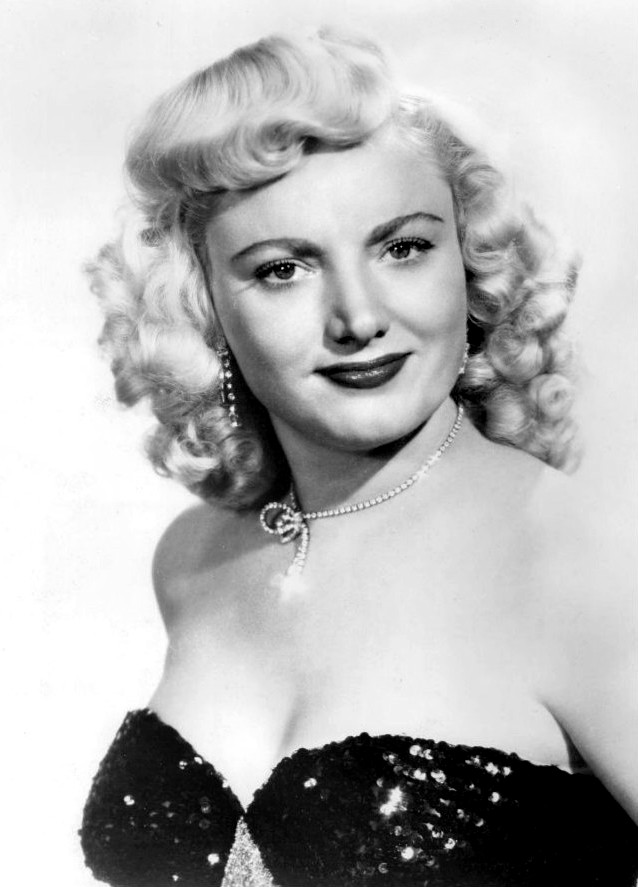
Who Was Dagmar? Unraveling The 1950s TV Star's True Story
In the annals of early American television, certain names spark a flicker of recognition, even if their stories have faded into the background. Dagmar is one such name, a vibrant personality who captivated audiences in the 1950s with her distinctive blend of glamour and humor. Yet, a common query today, "
Dagmar Dolby net worth," often leads to confusion, mistaking this groundbreaking TV star for an entirely different public figure. This article aims to clarify the identity of the original Dagmar – Virginia Ruth Egnar – and delve into her fascinating journey from a West Virginia girl to one of television's first true female icons, explaining why a modern "net worth" figure is both elusive and ultimately beside the point when appreciating her legacy.
The Genesis of a Star: Virginia Ruth Egnar's Early Life
Before she became the nationally recognized sensation known simply as Dagmar, she was Virginia Ruth Egnar, born on November 29, 1921, in the quiet town of Yawkey, West Virginia. Her upbringing was far from the glitzy world she would later inhabit, but even in her formative years, a spark of performance was evident. Throughout her time at Old Huntington High School, she was known as Ruth, a name she found easier to spell. Her participation in school plays year after year hinted at a burgeoning talent and a natural inclination towards the stage.
Upon graduating, Ruth embarked on a new chapter, moving to Bal Harbor, Florida, with her first husband, Dick Hinds, who served as a naval cadets instructor. Life's twists, however, soon led her away from domesticity and towards the performing arts. By the late 1940s, she was divorced and making a name for herself as "Jenny," performing in the play *Burlesque* alongside the legendary Bert Lahr, perhaps best known as the Cowardly Lion from *The Wizard of Oz*. This theatrical experience honed her comedic timing and stage presence, setting the groundwork for her eventual television breakthrough.
Dagmar's Breakthrough: The "Dumb Blonde" Persona That Captivated America
Dagmar's leap to the small screen began modestly with an appearance on one of Bob Hope's earliest television shows. However, her true "big break" arrived when the director of an NBC late-night TV variety show was searching for a statuesque blonde to add a unique flavor to the program. Virginia, now performing under the singular moniker "Dagmar," perfectly fit the physical description.
What truly set her apart was the persona she developed: a seemingly naive, "dumb blonde" act that belied her true intelligence. This comedic character, often delivered with a wide-eyed innocence and a pronounced, breathy voice, resonated profoundly with American audiences. Her popularity skyrocketed, making her one of the first major female stars of television. At the peak of her fame, Dagmar reportedly received an astonishing 2,000 fan letters every single week. Her omnipresence was solidified when *Life Magazine* featured her on its cover on July 16, 1951, cementing her status as a household name and a pop culture phenomenon.
Her career saw a significant rise in earnings, an indicator of her immense value to the budding television industry. While precise net worth figures in the modern sense are not available, it's documented that her salary increased from a modest $75 to a substantial $1250 during her peak. This meteoric rise in pay reflected her star power and her ability to draw viewers, a testament to her unique appeal in a new medium. To learn more about how her earnings compared to her lasting influence, you might be interested in
Dagmar's Salary Rise & Legacy: Beyond the Net Worth Search.
Dagmar's persona, though seemingly simple, was a masterclass in comedic performance. She walked a fine line, using self-deprecating humor and a exaggerated, over-the-top image to connect with viewers. In an era where female roles on television were often constrained, Dagmar carved out a niche that was both glamorous and genuinely funny, proving that women could be comedic forces in their own right. Her impact opened doors for future generations of female comedians and variety show personalities, laying essential groundwork for how women could command a stage through wit and charm.
Beyond the Hype: Dagmar's Legacy and Later Life
Following her peak popularity, Dagmar continued to grace stages and screens, performing with some of the biggest names in entertainment, including legendary figures like Mike Douglas and Frank Sinatra. These monumental appearances solidified her place in show business history. However, as the 1950s drew to a close and television evolved, her appearances became less frequent.
Dagmar's personal life saw its share of transitions. After her first marriage to Dick Hinds, she later married Angelo Lewis. Despite her public persona, she largely kept her private life out of the headlines, choosing to enjoy a quieter existence away from the intense glare of the spotlight. She did not have any children, but her legacy as a performer remained distinct.
A particularly insightful quote attributed to Dagmar, documented by author Richard Lamparski, reveals her perspective on fame and its transience: "I'd much rather have people wonder whatever happened to Dagmar than say, 'Look what's happened to Dagmar?'" This statement encapsulates a desire for grace in fading from public view, a wish to preserve an idealized image rather than endure the scrutiny of aging in the public eye. Another memorable quip showcased her playful confidence: "Honey, be sure to mention how great my legs look still. Those TV audiences never saw them. Nobody ever looked down that far." This self-aware humor underscored her understanding of her own public image and her ability to joke about it.
Dagmar, known variously as Virginia Lewis and Jennie Lewis later in life, passed away from natural causes on October 9, 2001, in Caredo, West Virginia, bringing her remarkable life full circle back to her home state. Her passing marked the end of an era, but her unique contribution to the nascent world of television continues to resonate.
Clarifying the "Dagmar Dolby Net Worth" Inquiry
It is crucial to address the frequent search query for "
Dagmar Dolby net worth" directly, as it represents a common misconception. The Dagmar who was a pioneering 1950s TV star – Virginia Ruth Egnar – is **not** the same person as Dagmar Dolby.
Dagmar Dolby is a prominent contemporary figure, known primarily as the widow of Ray Dolby, the visionary engineer and founder of Dolby Laboratories, whose audio technologies revolutionized the entertainment industry. Dagmar Dolby is a well-known philanthropist and patron of the arts, particularly active in the San Francisco Bay Area. Her significant financial standing is directly linked to her late husband's immense success in the technology sector.
The 1950s TV star, Virginia Ruth Egnar (Dagmar), lived and worked in a different era, with different economic realities and different methods of assessing wealth. While her salary in her prime was impressive for the time, a comprehensive "net worth" figure for her, comparable to what might be calculated for a contemporary figure like Dagmar Dolby, simply does not exist or is not publicly available. Her legacy is measured not in accumulated wealth but in her cultural impact, her pioneering role as a female comedic television star, and the joy she brought to millions of viewers. For a deeper dive into this distinction, consider reading
Dagmar, The 1950s TV Icon: Not Dagmar Dolby's Net Worth.
When searching for information about historical figures, it's important to be precise with names and context. The entertainment industry of the 1950s operated very differently from today's celebrity culture, and financial records were rarely, if ever, compiled or publicized in the same manner. Therefore, while we can appreciate Dagmar's success through her salary increases and popularity, applying a modern "net worth" metric to her life misses the essence of her contribution.
Conclusion
Dagmar, born Virginia Ruth Egnar, remains a fascinating and significant figure in the history of American television. From her humble beginnings in West Virginia to her sensational rise as a "blonde Amazonian glamour girl," she carved out a unique space in early TV, delivering laughter and captivating audiences with her distinctive comedic style. While the query "
Dagmar Dolby net worth" reflects a modern interest in celebrity finance, it inadvertently conflates two distinct individuals. The Dagmar we've explored here left a legacy far more profound than any financial ledger could capture – a legacy of pioneering spirit, comedic brilliance, and an enduring charm that helped define an era of entertainment. Her story is a vivid reminder of the transformative power of television and the lasting impact of its earliest stars.